It’s Concussion Awareness Week in Canada!
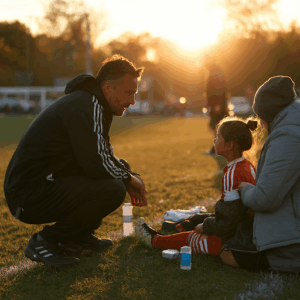
And as school and fall/winter sport seasons ramp up, a good time to review concussion symptoms in kids and how parents can protect them against injury.
In Ontario, Rowan’s Law Day was September 24, 2025; another reminder of the importance of concussion awareness including prompt recognition, reporting, and return to play protocols to help protect young athletes.
What are concussions and why are they so dangerous?
A concussion is a mild traumatic brain injury (TBI), usually caused by a hit to the head or a force to the body that shakes the head. Concussions can affect how the brain functions short and long term, if not managed well.
A child’s brain is especially vulnerable because it is growing and developing, and concussion symptoms are not always easy to spot. If children sustain repeated head injuries, rushing back into activity can have serious consequences on recovery and long-term function.
Brain health is important at every age, and that starts with smart decisions in the first 24 to 48 hours after an injury.
Don’t ignore these concussion symptoms in kids
Concussions can be missed because symptoms can take up to 48 hours to appear. Watch for combinations of these signs and symptoms:
- Headache or pressure in the head
- Dizziness, clumsiness, or trouble with balance
- Nausea or vomitting
- Sensitivity to light or noise
- Blurry or double vision
- Confusion, delayed responses, or ‘not feeling right’
- Memory problems about the event or the day
- Irritability, sadness, or unusual emotional swings
- Excessive sleepiness, trouble falling asleep, or sleeping more than usual
If you notice immediate concussion symptoms after a fall or collision, remove the child from the activity and seek a medical assessment. Even If a concussion is not obvious, consider sitting them out to avoid further injury and risk. When it comes to brain health, it’s better to be safe than sorry so get medical attention if there is any doubt.
Tip: This brain safety primer for parents provides more details on what to watch for and resources for those who have sustained a brain injury.
Concussion Awareness Week and Rowan’s Law Day
Concussion Awareness Week is acknowledged across Canada during the last week of September. As research expands, there is increasing concern about the impact of concussions on children in sports.
Rowan’s Law is Ontario’s concussion safety legislation, named after Rowan Stringer, a high school rugby player who died after multiple concussions. Observed on the last Wednesday of September, Rowan’s Law Day focuses on concussion awareness and encourages athletes, parents, and coaches to learn the signs, report symptoms, and follow safe return-to-play protocol.
As education and awareness grows, there is increasing concern about the effects of concussions on children in sports. Learn more here.
Suspect a concussion? Consider these steps.
Early actions can make recovery smoother. Whether you’re at a rink, field, or gym, parents can take these steps:
- Remove from play immediately and do not return the same day
- Seek a medical assessment from a qualified healthcare provider
- Rest relative to symptoms for 24 to 48 hours – light movement is fine if it does not make symptoms worse
- Limit screens and noisy environments until symptoms settle
- Inform coaches and teachers so school demands can be adjusted
- Follow a graded return-to-learn, then return-to-play plan guided by your health care provider
Some symptoms are red flags: if there is repeated vomiting, worsening headache, seizures, weakness, or unusual behaviour, go to urgent care or call emergency services.
Tip: In the event of a diagnosis, Brain Injury Canada has put together an extensive list of resources for those living with brain injuries.
How Alliance Chiropractic supports safer recovery
If you or your child has sustained a head injury, our team can provide supportive care alongside your family physician or pediatric care team. Our musculoskeletal focus addresses physical symptoms impacting your body’s posture, balance, movement, and function. In turn, these factors can also affect your body’s ability to recover or protect against future injury.
We help patients with:
- Cervical spine assessment and gentle treatment to address neck stiffness, headaches, and posture strain
- Vestibular and balance screening with home drills to reduce dizziness and improve stability
- Gradual aerobic and strength routines that align with symptom limits and school demands
- Education for parents and young athletes about pacing, sleep, and nutrition strategies
- Coordination with your physician, school, or sport organization on return-to-learn and return-to-play steps
- Sport specific strength and conditioning to protect against injury and support optimal performance
Our patients tell us they feel more confident when they have a clear, step-by-step plan. Injured or simply interested in learning more, if you are in Ancaster or the Greater Hamilton Area, we can help you navigate and protect your family’s brain health.
Everyday prevention for growing brains
Young brains are especially vulnerable given they are constantly developing and growing. Here are examples of ways to lower the risk of concussions without removing the joy of sport and play:
- Teach and model safe contact and falling skills for age and sport
- Prioritize sleep, nutrition, and hydration to support wellness and recovery
- Set a ‘no same day return’ rule after any suspected concussion
- Build neck and core strength to stabilize the head during contact
- Encourage honest symptom reporting and celebrate smart sit outs
- Keep equipment in good condition and check helmet fit where appropriate
Small habits and practises can keep children active, confident, and safe.
Tip: The Government of Ontario has compiled an extensive list of concussion safety and education resources to help parents, coaches, trainers, and athletes of all ages.
A final word on next steps
Concussion symptoms in kids are easier to manage when everyone knows what to watch for and how to respond. Concussion Awareness Week in Canada and Rowan’s Law Day are perfect reminders of the importance of concussion education and safety. For guidance on neck pain, headaches, balance, or safe activity progressions after a concussion, the team at Alliance Chiropractic can help.
Contact us if you have any questions regarding this blog or any other health or wellness concern.
Want to stay updated on health information? Subscribe to our quarterly newsletter here
Where we sourced this information
Information for this blog was sourced from Ontario.ca, the Ontario Chiropractic Association, Concussion Legacy Foundation, and Alliance Chiropractic.