
Brain Injury Statistics in Canada: What Places our Kids at Risk
June is Brain Injury Awareness Month and these Canadian statistics help us understand why:
- 1.5 million Canadians (4% of our population) have an acquired brain injury (ABI)
- Every three minutes, someone acquires a traumatic brain injury (TBI)
- The most common reasons for TBI hospitalizations and emergency room visits:
- Falls, for children under 5 years
- Sports and recreational activities, for 5-19 year olds
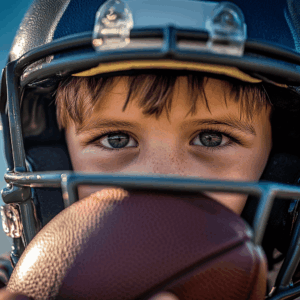
That’s why we’re spotlighting brain injury awareness. We want families in Ancaster and the greater Hamilton area to keep cheering on their favourite athletes, whether they’re competing or playing for fun.
Different Types of Brain Injuries
Brain injuries can affect anyone at any time. Knowing the signs and symptoms to watch for can make a real difference with recovery.
An acquired brain injury (ABI) refers to damage to the brain that occurs after birth and is not related to congenital or degenerative conditions such as Alzheimer’s Disease, Parkinson’s Disease, or Multiple Sclerosis. ABIs can be:
- Traumatic Brain Injuries (TBI): damage from external events like falls, motor vehicle collisions, or sports injuries.
- Non-Traumatic Brain Injuries: damage from medical issues like strokes, oxygen deprivation (anoxia), meningitis, or encephalitis.
Source: Ontario Brain Injury Association
What you Need to Know about Concussions
Concussions are one of the most significant public health concerns in Canada. Considered a mild traumatic brain injury (mTBI), approximately 200,000 concussions occur every year, mainly affecting Canadian children and youth. Because 75% – 95% of TBIs do not involve a loss of consciousness or obvious neurological signs, many go unnoticed and are not reported.
Brain injuries place a lot of pressure on Canadian families and the health care system. In addition to time and money for treatment and rehabilitation, consider the mental and emotional toll on patients and their caregivers, as well as the economic impact of lost work time and productivity.
The Physical, Cognitive, and Emotional Symptoms to Watch for
Whether it’s a blow to the head in a soccer game or a biking accident, brain injuries can have a wide range of symptoms. According to the Ontario Brain Injury Association, parents should watch for these signs:
Physical Symptoms:
- Balance and coordination problems
- Difficulty walking or moving limbs
- Light and sound sensitivity
- Ringing in the ears
- Sleep difficulties and fatigue
- Chronic headaches and dizziness
- Changes in vision, hearing, or taste
- Swallowing difficulties
- Increased sensitivity to caffeine and alcohol
- Possible seizure activity
Cognitive and Communication Challenges:
- Poor concentration and memory problems
- Slowed thinking and difficulty making decisions
- Trouble keeping track of multiple things
- Difficulty speaking, reading, or writing
- Problems expressing ideas clearly
Emotional and Behavioural Changes:
- Depression, emotional outbursts, or irritability
- Personality changes and social withdrawal
- Impulsive actions and poor coping skills
- Grief and a sense of loss
Functional Impacts:
- Difficulty with self-care, household tasks, and driving
- Challenges returning to work or hobbies
This list is not exhaustive; parents should be mindful of any changes in their child’s behavior or functioning.
How Chiropractic Care Supports Brain Injury Recovery
Chiropractic care is not a replacement for medical treatment but can play a crucial role in managing symptoms and supporting recovery. At Alliance Chiropractic, we help patients manage the physical symptoms associated with brain injuries such as:
- Concussions: chiropractors can check and diagnose concussions, provide informed referrals, and work with other health professionals to ensure optimal care. Find more details at the Ontario Chiropractic Association website.
- Whiplash: is commonly seen following sports or car accidents. Chiropractors can help improve mobility, reduce headaches, neck, and back pain, improve alignment, and reduce injury related tension. Learn more about care options for brain injuries here.
Chiropractors are trained in neurological assessment and emergency care, and can recognize the signs of brain injuries, helping ensure timely, evidence-informed care. Our team at Alliance Chiropractic includes a wide set of health care providers with experience treating sports injuries and related symptoms.
Why Early Detection Matters
In Ontario, Rowan’s Law underscores the importance of early detection and proper management of concussions. Chiropractors can perform immediate on-field assessments during sports events, providing crucial evaluations to help athletes avoid long-term complications (Ontario Chiropractic Association).
As summer sports and outdoor activities continue, remember that early detection and action can make all the difference. If you suspect a brain injury in yourself or your child, seek a thorough assessment immediately. At Alliance Chiropractic, we are here to provide expert guidance and care for all your health and wellness concerns.
Preventing Brain Injuries: Practical Tips from Alliance Chiropractic
At Alliance Chiropractic, we believe that prevention is just as important as treatment. In our previous blog, “Preventing Brain Injuries: Essential Tips and Chiropractic Care“, we shared proactive steps you can take to reduce the risk of brain injuries during sports and daily activities. These include:
- Wearing protective gear like helmets during biking and contact sports
- Avoiding reckless play and practicing safe techniques
- Improving home safety to prevent falls
- Regularly checking your balance and vision to stay steady and alert
- Driving safely and using seat belts at all times
While these prevention strategies can help minimize the likelihood of injury for you and your loved ones, it is not possible to eliminate all risks. If you find yourself unsure of next steps related to ongoing or new symptoms, contact our office.
Support and Resources for those Living with a Brain Injury:
Living with a brain injury can be a challenge, but you do not have to do it alone. Brain Injury Canada offers a wealth of resources and tips to help you or a loved one adapt and thrive following an injury. Visit Living with a Brain Injury to learn more about available support and community programs.
Contact us if you have any questions regarding this blog or any other health or wellness concern.
Want to stay updated on health information? Subscribe to our quarterly newsletter here.
Information for this blog was sourced from the Ontario Brain Injury Association, Canadian Chiropractic Association, Ontario Chiropractic Association, and Parc of Ontario.