
Alliance Chiropractic and Wellness

Emotional Resilience for Families and Children: Coping with Back to School Anxiety and Change

As September nears, many of us are feeling all sorts of emotions such as nervous, excited, anxious, or all of the above.

Transitions can be tough but parents can support their children by helping them build emotional resilience. This essential life skill shapes how we respond to challenges. With small, steady habits, you can transform potentially negative and disruptive emotions into calm, focus, and excitement. 

In this blog, parents learn why emotional resilience matters and practical tips to build this essential skill among their children.

September is a season of change

The shift from long summer days to early mornings and new schools, classrooms, and routines can feel both exciting and stressful. Maybe your family is feeling the end of summer blues or is not looking forward to the shorter, cooler days of fall. Regardless of whether we feel ready or not, back to school season is upon us.

The good news? Emotional resilience can help children and parents move through this transition with calm, confidence, and excitement.

What is emotional resilience?

The Centre for Addiction and Mental Health (CAMH) describes resilience as the ability to cope with challenging situations and how individuals move forward. In other words, it’s how people bounce back after facing change or difficult situations. 

For  some children, the transition back to school can be tough with shifts in routine, new expectations, and changing social dynamics; for others, it’s a much smoother experience. Emotional resilience can make the difference.

Why emotional resilience should be on every parent’s radar

Children take cues from their environment and sense and borrow from the adults around them. When parents model steady routines and positive coping behaviour, children feel calmer and settle more quickly. The benefits? Attention improves, sleep gets easier, and mornings feel smoother. 

Given September can be hectic, it’s an ideal time to try small, repeatable habits to boost your child’s emotional resilience.

Building emotional resilience across three key levels

Resilience grows best when developed across three levels – individual, family, and environment. Using that framework, here is how parents can help.

1) Individual

  • Name the feeling and a next step. “I feel nervous, so I will ask my teacher one question to start.” Naming emotions and choosing a small action builds awareness, problem solving, and a sense of control.
  • Keep a regular sleep routine. Set a consistent bedtime and wake time, turn screens off one hour before bed, and keep devices out of bedrooms. Predictable sleep supports growth, mood, attention, and confidence.
  • Move daily. Aim for 60 minutes across the day through active play, walking, sport, or stretching. Movement improves focus, lowers stress, strengthens bones and muscles, and helps sleep quality.
  • Create predictable anchors. Eat meals together, protect enough sleep, and post a simple family schedule. Routines reduce decision fatigue, create a sense of safety, and encourage independence.
  • Limit social media and evening screens. Set clear limits and make space for unstructured outdoor play. Keeping devices off for at least an hour before bed and out of bedrooms helps children fall asleep faster and sleep better.
  • Breathe, reset, and name one tiny win. Ask your child to take three slow breaths then share one thing that went well or that they are grateful for during the drive to practice, at dinner, or before bed. This habit calms the nervous system, shifts attention to positives, and builds confidence over time.

2) Family

  • Model appropriate behaviour: Like it or not, your children are watching you. Keep phones out of bedrooms, prioritize exercise and good sleep habits, and be sure to carve out time for self-care.
  • Promote healthy habits together: Whether it’s exercising, meal planning and prep, or simply relaxing, spending this time together allows parents to build memories AND teach positive lifestyle habits at the same time.
  • Establish routines: Humans like predictability. Having morning and evening routines provide structure and build confidence because they allow children to know what comes next.
  • Provide visibility: Post schedules where everyone can see them (the kitchen is a great spot!). This includes meal times, activities, homework times, and bedtime and free time windows. 
  • Listen and validate: Encourage open conversations by actively listening. Acknowledge a problem then try to problem solve together so your child feels seen,  heard, and validated. Bedtime stories and car rides are sometimes the best opportunities for real conversation.

Tip: Looking for additional guidance on setting healthy screen time limits? The Canadian Paediatric Society has developed a guide for parents.

3) Environment: school and community

  • Identify one caring adult your child trusts: Parents cannot be all places at once. Identify a teacher, counsellor, coach, or club leader as a trusted go-to person incase stress, safety issues, or academic concerns arise.
  • Boost belonging by creating multiple social circles: One of the best ways to build friendships and foster a sense of belonging is to help your child build connections and friendships in different places. In addition to school, try to find a special interest club or activity that your child might be interested in.

When to seek extra help

Parents know their children. If you sense that something is off with your child, seek help by contacting the school, a trusted confidante, or a medical professional. 

Keep an eye out for changes in your child’s behaviour or symptoms such as ongoing withdrawal, irritability, sleep or appetite changes, and frequent headaches or stomach aches. These symptoms can signal that something deeper is going on.

Supporting families during back to school season

Coping with back to school anxiety and change can be tough but parents can boost their children’s emotional resilience with the tips suggested here. Ready your children for challenges they may face today, and build skills that will better prepare them to navigate situations they may face in the future.

Our focus remains your family’s musculoskeletal health. If discomfort, pain, or injury is making this back to school season difficult, contact us. We often see patients with physical symptoms that are the result of social, environmental, and psychological factors. If we suspect a root cause requiring additional expertise, we have a network of health care professionals we can refer you to.

Information for this blog was sourced from: CAMH — Growing Up Resilient, CAMH — Raising Resilient Children & YouthOntario Psychological Association, Psychology Today, School Mental Health Ontario, Strong Minds Strong Kids, Alliance Chiropractic & Wellness Blog Library.


How Posture Affects Growth in Children

Most parents understand that healthy growth and development depends on many factors such as lifestyle habits, nutrition, sleep, and physical activity. These factors are especially important during periods of high growth and development such as childhood and the teen years. These early years can have a big impact on a person’s future level of health and wellness. 

This blog explores how posture can affect growth and why it is important to monitor given the amount of growth happening from birth to young adulthood. 

Are your child’s daily habits positively or negatively affecting spine growth and development?

What is good posture?

Harvard Health describes posture as the way we hold our body while sitting, standing, and moving, and involves the cervical, thoracic, and lumbar curves. Good posture means that all three curves are in balance and aligned, offering protection against pain and providing stability. Poor posture can lead to discomfort and a variety of other problems related to breathing, movement, and mood.

How posture affects your child’s growth

The growth years place a lot of demand on spinal curves, requiring them to shift and adapt as muscle balance patterns are established. Poor position and alignment can nudge those patterns in the wrong direction, creating tightness in some muscles and weakness in others. 

This matters because posture influences breathing mechanics, digestion, and even energy. When a child slumps forward, the ribcage and abdomen have less room to expand, and this can negatively affect breathing, abdominal organ function, and contribute to headaches and discomfort. 

Tip: To do a quick check at home, watch your child sit, stand, and walk. 

  • Are the ears over the shoulders or drifting forward?
  • Do the shoulders look even?
  • Are both hips at the same level? 

Monitoring regularly can help you identify possible posture issues. More good posture cues are listed here

Lifestyle habits that can impact a child’s posture

Screens and devices. Technology can be an invaluable tool but prolonged use can wreak havoc on young bodies. Consider these four examples.

Text neck: 

This describes a forward head posture, placing extra load on the neck and upper back. Our recent blog on Text Neck Syndrome details exactly what this means and how to protect your child. 

Backpacks:

Heavy or low-slung backpacks can strain a growing spine. It’s recommended that a filled backpack weigh no more than 10-15% of the user’s bodyweight. Check out our Backpacks to Desks guide on tips to ensure a properly fitted backpack plus packing basics for back-to-school. 

Study spaces:

Child-sized seating, screens at eye level, and supported feet help maintain a neutral spine position, essential for good spinal health. 

Screen time limits:

Between work, school, and social time, your child is likely spending significant time on a computer or on their device. Encouraging regular breaks and physical activity is important. To help parents, the Canadian Society for Exercise Physiology (CSEP) usage has developed age specific 24 hour movement guidelines

The Canadian Pediatric Society also recently launched the Centre for Healthy Screen Use for parents with resources, answers to frequently asked questions, and guidance on screen limits for children and teens. 

Unchecked posture can be risky

When poor alignment persists through a child’s growth spurts, this can contribute to neck or back pain, headaches, and low energy resulting from muscle imbalance and joint strain. 

If you have concerns about your child’s posture or symptoms that might be  related, don’t wait. Have your child assessed by a medical professional. 

Here are some common symptoms to watch for:

  • Persistent pain in the back, neck, or shoulders
  • Uneven shoulders or hips (visible in a mirror or in photos)
  • Forward head posture 
  • Tingling, numbness, or weakness in arms or legs
  • Frequent headaches
  • Inability to carry weight such as a school backpack
  • Fatigue when sitting upright or standing 

Model habits that support good posture

One of the best things parents can do is model the behaviour they want to see in their children. When it comes to posture, limiting recreational screen time and taking frequent movement breaks are a great place to start to instill a healthy posture mindset. 

Tip: Check out Straighten Up Canada, a free, easy-to-perform video program that can be completed in just three minutes a day. Available in two options, one for adults and one for youth, these exercises are designed to be performed easily between classes, homework sessions, or whenever you need a quick movement break. 

Get checked out

A chiropractic assessment can identify movement restrictions, muscle imbalance, or ergonomic triggers that could be affecting your child’s posture. Even if your child does not have symptoms, consider having your child assessed to identify a potential issue before symptoms appear. It’s far easier to address a small problem during the growth phase than to try to correct it after years of poor posture and bad habits.

Tip: Good posture is essential for parents too – take care of you so you can take care of your loved ones. Pay attention to any discomfort or symptoms you may be experiencing because ignoring them could lead to a variety of problems.

Posture checklist for parents

Here’s a quick checklist for parents to help ensure their kids maintain good posture:

  • Regularly monitor your child’s posture.  Spot check during homework, at the table during mealtime, and when kids are at play 
  • Set up an ergonomic study area with a chair that supports your child’s feet 
  • Ensure computer screens are always placed at eye level
  • Use two-strap backpacks and limit them to 10 to 15 percent of your child’s body weight
  • Encourage movement breaks every 30 to 60 minutes
  • Follow age appropriate recreational screen time guidelines
  • Model healthy lifestyle habits (sleep, nutrition, physical activity, etc.)
  • Book regular posture assessments, especially around growth spurts

Best Family Camping Tips for Summer

Planning Family Camping This Summer? Start Here

Summer is the perfect time to get outside, unplug, and enjoy nature together. Whether you are heading to a local park, a lakeside retreat, or trying out your first camping adventure, this guide offers the best family camping tips for summer to help make your trip safe, stress-free, and full of great memories.

From babies to grandparents, anyone can enjoy camping with the right mix of planning, smart packing, and wellness tips. Whether you are pitching a tent, renting a recreational vehicle (RV), or booking a ready-to-camp site, here is your go-to summer camping resource.

Choosing a Camp Experience to Suit your Family

There are different types of camping experiences available. Here are three great options for families:

  • Highway Camping: aka ‘car camping’, is convenient and close to amenities, making it an ideal option for first-time campers or those with young kids
  • RV Camping: these are mobile homes that often include self-contained electricity, water, and sanitation services, offering comfort, cooking space, and shelter from unexpected weather
  • Ready-to-Camp: these sites typically come with everything you need such as pre-set tents, mattresses, BBQs, and cookware and offer a variety of accommodations to choose from. 

For more types of camping in Canada visit Four Corners Algonquin.

Insider Tip: Campgrounds fill up fast in summer. Book early with Camping in Ontario to get the best family-friendly spots.

Family Camping Essentials You Should Never Skip

Packing for a family camping trip can feel overwhelming but it doesn’t have to be. Here are a few ways to help keep things stress-free and organized:

  • Sort items into clearly labeled bins: for example, have separate bins for sleeping gear, food and cooking items, games/entertainment, and safety supplies.
  • Use solid ice packs to keep food safe and prevent summer food poisoning
  • Pack for changing weather with layers, rain jackets, and extra shoes
  • For kids, include comfort items, glow sticks for visibility, portable games, and refillable water bottles

For more summer wellness advice, check out our blog on 10 Summer Essential Tips. With information related to proper hydration, insect bites, and staying cool, it’s the perfect primer for any campground.

Your Best Family Camping Tips for Summer Safety

Safety is a top priority while camping. Here are practical ways to keep everyone protected:

  • Sun Protection: The sun’s rays can be intense, even on cooler days. Our Sun Safety Guide explains how UV rays affect your skin, what SPF to use, and how to treat sunburns if they happen
  • Tick Protection: Take steps to protect your family and know when to seek medical attention. Check out our recent blog on Basic Tick Essentials for more information.
  • Bike Safety: Many families bring bikes to campgrounds. Our Safe Cycling Blog offers kid-friendly reminders like helmet fit, using buddy systems, and choosing safe paths
  • Head Injury Prevention: Falls from bikes, rough play, or uneven terrain can result in serious injuries. Learn how to recognize the signs of concussion in our Brain Injury Primer, including symptoms that may not show up right away
  • Water Safety: Always supervise children near lakes or rivers. Lifejackets should be non-negotiable for boating, and always swim with a buddy (yes, even at a campsite beach!)


Of course, not every accident or injury is preventable but with a bit of planning and preparation, you can significantly reduce the risk of unintentional injury

Mental Wellness and Self-Care at Camp

Camping should recharge you, not wear you out. Make space for nature, calm, and connection. Here are a few suggestions for parents:

  • Maintain a light, flexible routine for kids – A bit of structure can help reduce anxiety while still allowing for spontaneity and fun.
  • Avoid over-scheduling – Let quiet mornings and relaxed afternoons unfold naturally.
  • Unplug when you can – Limit screen time and encourage exploring, playing, and spending time in nature.
  • Make time for stillness – Journaling, reading, or simply stargazing alone can support reflection and inner peace.


Camping is not just about escaping the city, it’s about reconnecting with yourself and the people who matter most. Plus, spending
time in nature offers so many benefits.

Interested in more mental wellness tips? Read our self-care blog.

Camp More, Spend Less

Camping does not have to break the bank, and this summer, the Canada Strong Pass provides:

  • Free admission to national parks
  • 25% off camping stays from June 20 to September 2, 2025
    Learn more here

Check Camping in Ontario for regional deals and midweek discounts. Some parks also offer rental discounts for longer stays.

And if You Overdo It? We can Help.

Camping can be physically demanding. Hauling gear, long drives, and out-of-routine sleeping arrangements can all place strain on your body. To stay well and support recovery after a camping trip, try the following:

  • Hydrate well – Proper hydration supports muscle recovery and may reduce pain or stiffness.
  • Stretch gently – Light stretching can help restore mobility and reduce tension after physical activity.
  • Take warm showers – This helps loosen tight muscles and promotes circulation.
  • Book a chiropractic visit – Chiropractic care can assist with pain relief, support recovery for chronic conditions, and help prevent future injuries.

Alliance Chiropractic can help get you moving comfortably again especially after a big adventure.

Plan Your Next Fantastic Trip

A bit of planning is all it takes to ensure your camp experience is affordable, safe, and fun for the whole family. We’ve sourced the best family camping tips for summer to help you book smarter, pack lighter, and make lasting memories. 

Contact us if you have questions regarding this blog or any other health or wellness concern. The team at Alliance Chiropractic is here to help keep you healthy, active, and informed all summer long.

Want to stay updated on health information? Subscribe to our quarterly newsletter here

Information for this blog was sourced from: Camping in Ontario, Four Corners Algonquin, Parks Canada, and the Alliance Chiropractic blog library.

Tick Bite Prevention Tips: Protect Yourself This Summer

Summer Is Here, and So Are Ticks

Warmer weather means more time outdoors whether you are hiking local trails, gardening in your backyard, or enjoying summer adventures around Ancaster and the greater Hamilton area. But summer is also when tick activity peaks across Ontario.

Blacklegged ticks, also known as deer ticks, can carry Lyme disease and are found in growing numbers across southern Ontario, including parts of Hamilton. And while the risk of Lyme disease is still considered low, prevention matters because tick bites can have serious consequences — and these ticks are being found in more and more areas.

This blog gives practical tick bite prevention tips to help you stay safe while enjoying the outdoors. In most cases, an infected tick must be attached for 24 hours or more to transmit Lyme disease, and their bites are usually painless. Always check for ticks after being outdoors: it’s  the best way to reduce your risk of infection and avoid possible long term effects.

What Is — and Is Not — a Tick

Ticks are not insects — they are arachnids with eight legs, no antennae, and a flat, teardrop-shaped body. They do not fly or jump, but they latch on when you brush past grass or shrubs.

Think you saw a tick? Use this simple guide to tell ticks apart from other bugs like beetles or small spiders.

Not Every Tick Carries Lyme Disease

Only blacklegged ticks (also called deer ticks) can spread Lyme disease. These ticks can be very small — especially the nymphs, which are no bigger than a pinhead.

Here is how to tell the difference:

  • Blacklegged Tick: eight legs, dark brown body, can carry Lyme disease
  • American Dog Tick: larger, patterned back, does not carry Lyme disease

Want to be sure? Take a photo and upload it to Hamilton Public Health’s eTick platform for identification.

Where to Find Ticks in Hamilton

Blacklegged ticks do not live in short grass or paved areas. Instead, they thrive in bushy, wooded, and tall grassy areas such as hiking trails, forest edges, and overgrown backyards.

In Hamilton, most of the city is now considered a tick risk area with the exception of some eastern parts of Stoney Creek and Glanbrook. According to Public Health Ontario, “All tick surveillance indicators suggest the range of blacklegged ticks is expanding in southern Ontario and is expected to continue expanding.”

Experts believe this is happening because of climate change, changes in bird migration patterns, and land development.

Although the risk of Lyme disease remains relatively low, prevention is important because the consequences can be serious and last a lifetime. Learn more from Hamilton Public Health.

Simple tick bite prevention tips for your summer plans

Whether you are heading out for a nature walk, doing yard work, or sending your kids to summer camp, here are some essential tick bite prevention tips:

  • Wear light-colored clothing to spot ticks easily
  • Tuck your pants into your socks in wooded or grassy areas
  • Use insect repellent with DEET or Icaridin
  • Stay on marked trails and avoid dense underbrush or leaf litter
  • Shower within two hours of being outdoors to wash off unattached ticks
  • Do full-body tick checks, especially behind knees, underarms, around the ears, and on the scalp
  • Keep your yard tidy by trimming tall grass and removing brush
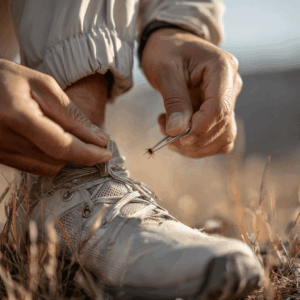
  • Protect your pets with vet-approved tick preventives

According to the Public Health Agency of Canada, “the best way to protect yourself from Lyme disease is to prevent tick bites.”. For additional information on preventing Lyme Disease, refer to this Government of Canada website.

What Happens if You Find a Tick?

If you find a tick attached, do not panic. Here is what you can do:

  1. Use fine-tipped tweezers to grasp the tick close to the skin
  2. Pull it straight out with steady pressure. Do not twist or jerk
  3. Clean the area with soap and water or rubbing alcohol
  4. Save the tick in a sealed bag or container
  5. Submit a photo to eTick for identification. Find more information here.

If the tick was attached for 24 hours or more or looks engorged, check in with your doctor. You may need a preventive dose of antibiotics.

If Work Takes You Outside

If you work outdoors in landscaping, construction, delivery, or parks and recreation, you may be at higher risk of encountering ticks. In addition to Lyme disease, ticks can also spread diseases such as anaplasmosis, babesiosis, and Powassan virus, especially in spring, summer, and fall when they are most active.

Where ticks are found:

  • Natural wooded areas
  • Shrubs, leaf litter, tall grass, or wood piles
  • Near animals like rodents, birds, or deer
  • In temperatures of 4°C and higher

To reduce your risk of a tick bite at work, follow these safety measures:

  • Avoid working in tick-heavy areas when possible
  • Apply insect repellent with DEET or Icaridin on skin and clothing (follow label directions)
  • Wear permethrin-treated workwear when available
  • Do a full-body tick check after your shift, focusing on feet, armpits, knees, elbows, hairline, ears, waist, and groin
  • Shower or bathe after working outside to help find and remove ticks
  • Dry your work clothes on high heat for at least 10 minutes to kill any ticks (if damp, dry longer)
  • Wash work clothes in hot water, as ticks can survive cold or warm cycles

Protective clothing tips:

  • Tie back long hair
  • Wear light-coloured long-sleeved shirts and pants
  • Tuck shirts into pants and pull socks over pant legs
  • Wear closed-toe shoes

If you find a tick, remove it right away using fine-tipped tweezers and report it to your employer. Download the official CCOHS tick safety infographic.

Be Tick Smart and Stay Safe this Summer

Ticks may be small, but their impact can be big. With awareness, preparation, and some simple tick bite prevention tips, you can keep yourself, your family, and your coworkers safe this season.

The tick population continues to grow in Ancaster and the greater Hamilton area, so whether it’s hiking, gardening, playing, or working, always take a few moments to check for ticks. Prevention is simple and can protect you and your loved ones from a serious health issue.

If you have concerns about tick exposure or need support recovering from outdoor-related strains or injuries, the team at Alliance Chiropractic is here to help keep you healthy, active, and informed all summer long.

Contact us if you have questions regarding this blog or any other health or wellness concern.

Want to stay updated on health information? Subscribe to our quarterly newsletter here

Information for this blog was sourced from: Government of Canada, Hamilton Public Health, CCOHS, and eTick.

Injury Prevention Tips: A Safer Summer Starts Here

Why Summer is the Right Time to Talk Injury Prevention

With National Injury Prevention Day coming up on July 7, now is the perfect time to talk about injury prevention tips. In Ancaster and the Greater Hamilton Area, families are in full summer mode: children are out of school and often less supervised, families are travelling or simply spending more time outdoors, and summer students are working seasonal jobs. Whether at work or at play, preventing injuries should be a priority for everyone.

Why Injury Prevention Matters

Injuries affect Canadians in many ways. In Ontario, a 2024 Public Health Ontario report cited that injuries resulted in:

  • 8,258 deaths
  • 1.48 million emergency room visits
  • 101,894 hospital stays


That is a whopping $12.2 billion annual cost to the province, and that figure includes more than just hospital bills. It reflects a combination of $7.6 billion in direct health care costs such as emergency visits, surgeries, rehabilitation, and medications, along with $4.6 billion in indirect costs from lost productivity, time off work, and long-term disabilities.

What Recent Workplace Injury Trends Tell Us

Within Canadian workplaces, the trend is also concerning. 

According to a 2022 Federal Injury Report, Canadian employers experienced:

  • A 10.9% rise in disabling workplace injuries
  • A 52% increase in fatal accidents

These trends are yet another reminder that workplace injury prevention should be a priority for every employer and worker.

Simple Injury Prevention Tips for Home, Work, or Play

But there is good news because most injuries are preventable. 

Whether you are at work, home, or simply enjoying summer activities, here are injury prevention tips to help keep everyone safe:

  • Make your space work for you: Set up your desk, kitchen, or outdoor area to support good posture and movement. This includes removing objects that are a tripping hazard or at risk of moving or falling.
  • Stay active and take breaks: Our bodies are designed to move. Whether sitting at a screen or gardening, break frequently and switch positions. If you’re playing a favourite sport or biking with the kids, consider warming up and stretching to get your body ready.
  • Use the right gear correctly: Having appropriate protective gear is important. At work, ensure safety equipment is used as needed: this may include gear such as goggles, gloves, helmets, and work boots. At home and during play, ensure sports and recreation equipment is in good working order, and items such as helmets and lifejackets are correctly sized and secured.
  • Model safe choices: Whether a parent or manager (or both!), set the correct tone by practicing habits that you expect of others

Need additional tools? Here are some great resources to get you started:

Don’t Ignore Muscle and Joint Pain

Back pain, sore joints, and general stiffness are more common than you think, especially for people doing repetitive tasks or lifting throughout the day. In fact, over 58% of Canadians report that musculoskeletal (MSK) pain affects their ability to do their job.

But MSK issues are not exclusive to adults. Kids, teens, and young adults can also experience MSK issues, especially with the increase in summer sports, outdoor play, and camp activities. Poor posture, heavy backpacks, and repetitive motions such as throwing, kicking, or swinging, can all lead to pain and strain over time.

Detecting issues early is important so don’t ignore your body if ‘something doesn’t feel right’ or hurts. Early intervention can prevent a small issue from becoming a bigger problem. 

If you are managing a chronic injury or prone to a specific type, prevention strategies can also help. Ask us how you can reduce your risk and protect yourself from an injury repeating itself. 

Summer goes by fast and no one wants to feel like they missed out because of a preventable injury.

An Extra Word of Caution for Parents

Summer is a season of opportunity for young people, whether they are stepping into their first job or spending long days outdoors. But with that freedom comes increased risk. 

As cited by Parachute Canada, preventable injury kills more Canadian children than any disease and more youth than all other causes combined. 

At Work: Young workers often face hazards due to limited experience or unfamiliar tasks. Ask your child if their employer:

  • Provides hands-on training for the job
  • Supervises closely during their first few weeks
  • Encourages questions 
  • Provides a space where safety conversations can happen
  • Assigns tasks that match their abilities and comfort level

At Home and in Play: Injuries can also occur while biking, swimming, participating in sports, or simply using playground equipment. Bubble wrapping our kids is not realistic (or recommended!) but parents can keep their kids safe by:

  • Providing correctly sized and appropriate gear for activities
  • Supervising water activities 
  • Practicing pool safety
  • Promoting warm-ups and cool-downs for physical play
  • Teaching road awareness for biking and walking near traffic

Consider boosting your brain knowledge to further protect your kids with our recent blog, Summer Safety: A Brain Injury Primer for Canadian Parents.

Turning Injury Prevention Tips to Action

Whether on the job, at home, or during summer adventure mode, injuries can happen but the majority are preventable. A few small steps today can help protect you and your loved ones tomorrow. From providing safer spaces to teaching kids how to play smart, we all play a role in building a safer community.

And if you are an employer or manager, now is the time to reinforce workplace safety. Start small, keep it simple, and take advantage of the tools and resources provided in this blog.

If you are in Ancaster or the Greater Hamilton Area and need support preventing or managing injuries, Alliance Chiropractic is here for you. Whether you are an employer concerned about workplace-related MSK issues, a parent of an active child, or a young athlete managing summer sport related injuries, we can help you get out of pain quickly and safely. 

Our team provides personalized care for all ages, so you and your family can stay active and enjoy all that the summer has to offer. 

Contact us if you have questions regarding this blog or any other health or wellness concern

Want to stay updated on health information? Subscribe to our quarterly newsletter here

Information for this blog was sourced from: Public Health Ontario, Parachute Canada, chiropractic.ca, and Canada Public Health Injury Prevention

Celebrate End of School with Fun and Healthy Family Activities

School’s out! Whether your child graduated or successfully completed the school year, be sure to acknowledge milestones and achievements, and then get ready to kickstart a summer full of healthy fun and family time! 

At Alliance Chiropractic, we know that end of school year activities for families can set a positive tone for the weeks ahead. Here are some ideas and health tips to make the most of this special time.

Why End of School Year Activities Matter

Fresh air and sunshine are the perfect ways to start summer break and make memories with your family. Research shows that even an hour spent in nature can boost physical activity, improve mood, and reduce stress.

Within Ancaster and the greater Hamilton area, there are plenty of family-friendly outdoor activity options:

Bonus! All of these activities are a great way to celebrate the end of school and promote wellness.

Be Mindful of Screen time!

It might be tempting to allow screens to take over during the summer, but with a little planning, there are plenty of other ways to keep your kids active and engaged. 

Why? Because too much screen time is associated with a range of health concerns. For example, know the risks associated with text neck syndrome.

Instead of defaulting to screens, encourage:

Screen-free family meals and conversations

Protect Your Family from the Summer Sun

More sunshine means more outdoor fun, but it also means taking a few extra steps to keep everyone safe. Refer to our sun safety blog for tips such as:

  • Using sunscreen with SPF 30 or higher
  • Wearing hats and sunglasses
  • Staying in the shade during peak sun hours

Drinking lots of water to stay hydrated

Don’t Forget Parent Self-Care: You Deserve It Too!

As parents, we spend so much time and energy caring for our kids, but it’s important to remember that your own health and well-being also matter. Prioritizing self-care helps you stay energized and patient throughout the busy summer months. Make space for your own wellness because it’s not just a nice-to-have, it’s necessary.

Here are few reminders:

  • Stretch and move daily
  • Find ways to help you manage stress and tension. Pick whatever you enjoy – it could be baking, gardening, yoga, or meditation.

Take breaks regularly. You can’t be on 100% of the time so ensure some down time just for you. 

Traveling? Pack Smart to Stay Comfortable

Heading out for a road trip this summer? A few simple tips can keep your family comfortable and stress-free. If you are traveling, ensure you keep these tips in mind to prevent back pain while traveling. Our favourites include:

  • Know how to lift luggage safely while traveling
  • Stay hydrated
  • Move and stretch on long trips
  • Keep stress levels low

These small steps add up and can help ensure travel is comfortable and pain-free.

Celebrate and Connect as a Family

Take the time to pause and reflect on the end of another year.  Whether it’s hosting a small get-together, planning an outing, cooking a favourite meal, or simply taking a quiet moment with your kids – find a way to acknowledge the school year coming to a close in a way that feels meaningful to your family.

Your Next Steps for a Fun and Healthy Summer

The last days of school are the perfect chance to create memories and build healthy habits for a summer full of family fun. At Alliance Chiropractic, we are here to support you and your family with health-focused tips and care so you can make the most of your summer

Contact us  if you have questions regarding this blog or any other health or wellness concern.

Want to stay updated on health information? Subscribe to our quarterly newsletter here.

Information for this blog was sourced from our blog library.

Safe Cycling: How to Keep Kids and Families Safe this Summer

June is Bike Month in Ontario so we’re shining the spotlight on cycling as a fantastic way to enjoy summer adventures with your family. At Alliance Chiropractic, we know that staying safe and avoiding injury is as important as having fun. If you want to make the most of every ride, then this article is for you.

We’ll explore the benefits of cycling, safe cycling tips, and how chiropractic care can keep you moving confidently all summer (and beyond).

The Many Benefits of Cycling

Cycling is a great way to explore the community this summer and provides many different health benefits. Here are a few reasons to add biking to your list of fun summer activities:

  • Improves cardiovascular health
  • Increases lower body strength and joint health
  • Boosts your mood and mental well-being
  • Strengthens coordination and balance
  • Enhances social bonds by offering shared experiences

And as a low impact form of exercise, cycling is perfect for every age. 

Cycling to Help the Environment (and You!)

Cycling also benefits our environment, helping reduce carbon emissions while promoting active transportation. MacMaster University has compiled a list of resources for city of Hamilton residents which can be found here.

Safe Cycling for Kids and Families

With three out of four Canadian children owning a bicycle, you can expect to see many of them enjoying the warmer months out and about on their bikes. And while bike safety is essential for everyone, here are a few kid-specific safe cycling reminders:

  • Proper helmet use: Ensure helmets fit snugly, sit level on the forehead, and are always buckled
  • Wear the right clothing: Bright colors, reflective stripes, and front and rear lights make cyclists easier to see, even during daylight hours
  • Avoid busy streets: Stick to quieter roads and bike paths to minimize risks
  • Use the buddy system: Always ride with a friend
  • Know basic first aid: Learn how to respond to common injuries such as falls, fractures, and cuts—training from organizations like the Red Cross can be especially helpful.

The Canada Safety Council reminds us that cyclists have the same rights and responsibilities as drivers. Obey traffic rules, use hand signals, and be ready for unpredictable hazards, like a car door opening or a pedestrian crossing unexpectedly.

For a detailed guide on handling skills, road safety, and bike laws, check out Cycling Skills: Ontario’s Guide to Safe Cycling. Find a downloadable reference on how to become a safer and more confident rider here: Ontario.ca.

How Chiropractic Care Can Keep You Riding

Concerned that all that pedaling may leave your neck and back feeling tight? 

Or that an older injury is going to flare up and prevent you from enjoying your ride? 

Or is an existing injury preventing you from taking advantage of prime cycling weather now?

You don’t have to put up with that. 

Chiropractic care can help reduce cycling related pain and injury. Ask us how we:

  • Help you ride more efficiently (by improving spinal alignment and posture) 
  • Warm-up safely before you ride (with stretching guidance)
  • Promote post-ride recovery (with cool-down exercises/stretches) 
  • Relieve muscle tension and sore joints (address problem areas)
  • Minimize risk of injury (by improving mobility and flexibility)
  • Keep you riding all season (strengthening exercises and maintenance care)

Make the most of Every Ride

For more ways to stay comfortable and strong on your bike, check out our previous blog “Cycling Fitness Tips to Enhance Your Ride”. You’ll learn how to:

  • Choose the right bike frame and fit
  • Adjust seat height, handlebar position, and pedal alignment
  • Strengthen your legs and core for improved riding

Prevent injury before, during, and after your ride

Your Next Steps for a Safer Ride

Whether you’re cruising through the neighbourhood with the kids, or challenging yourself on one of the beautiful trails in Ancaster or the greater Hamilton area, our goal is to keep you riding safely and injury-free. Reach out to our team if you have questions or concerns about treating or preventing cycling related injuries. 

Make the most of the cycling season, and enjoy the fresh air and perspective that comes with each ride.

Contact us if you have any questions regarding this blog or any other health or wellness concern.

Want to stay updated on health information? Subscribe to our quarterly newsletter here.

Information for this blog was sourced from: Ontario.ca RedCross.ca, CanadaSafetyCouncil, OntarioParks.ca, Wellness.McMaster.ca, Our Blog Library

Summer Safety: A Brain Injury Primer for Canadian Parents

Brain Injury Statistics in Canada: What Places our Kids at Risk

June is Brain Injury Awareness Month and these Canadian statistics help us understand why:

  • 1.5 million Canadians (4% of our population) have an acquired brain injury (ABI)
  • Every three minutes, someone acquires a traumatic brain injury (TBI) 
  • The most common reasons for TBI hospitalizations and emergency room visits:
    • Falls, for children under 5 years
    • Sports and recreational activities, for 5-19 year olds 

That’s why we’re spotlighting brain injury awareness. We want families in Ancaster and the greater Hamilton area to keep cheering on their favourite athletes, whether they’re competing or playing for fun.  

Different Types of Brain Injuries

Brain injuries can affect anyone at any time. Knowing the signs and symptoms to watch for can make a real difference with recovery. 

An acquired brain injury (ABI) refers to damage to the brain that occurs after birth and is not related to congenital or degenerative conditions such as Alzheimer’s Disease, Parkinson’s Disease, or Multiple Sclerosis. ABIs can be:

  • Traumatic Brain Injuries (TBI): damage from external events like falls, motor vehicle collisions, or sports injuries.

  • Non-Traumatic Brain Injuries: damage from medical issues like strokes, oxygen deprivation (anoxia), meningitis, or encephalitis.

Source: Ontario Brain Injury Association

What you Need to Know about Concussions

Concussions are one of the most significant public health concerns in Canada. Considered a mild traumatic brain injury (mTBI), approximately 200,000 concussions occur every year, mainly affecting Canadian children and youth. Because 75% – 95% of TBIs do not involve a loss of consciousness or obvious neurological signs, many go unnoticed and are not reported. 

Brain injuries place a lot of pressure on Canadian families and the health care system. In addition to time and money for treatment and rehabilitation, consider the mental and emotional toll on patients and their caregivers, as well as the economic impact of lost work time and productivity.

The Physical, Cognitive, and Emotional Symptoms to Watch for

Whether it’s a blow to the head in a soccer game or a biking accident, brain injuries can have a wide range of symptoms. According to the Ontario Brain Injury Association, parents should watch for these signs:

Physical Symptoms:

  • Balance and coordination problems
  • Difficulty walking or moving limbs
  • Light and sound sensitivity
  • Ringing in the ears
  • Sleep difficulties and fatigue
  • Chronic headaches and dizziness
  • Changes in vision, hearing, or taste
  • Swallowing difficulties
  • Increased sensitivity to caffeine and alcohol
  • Possible seizure activity

Cognitive and Communication Challenges:

  • Poor concentration and memory problems
  • Slowed thinking and difficulty making decisions
  • Trouble keeping track of multiple things
  • Difficulty speaking, reading, or writing
  • Problems expressing ideas clearly

Emotional and Behavioural Changes:

  • Depression, emotional outbursts, or irritability
  • Personality changes and social withdrawal
  • Impulsive actions and poor coping skills
  • Grief and a sense of loss

Functional Impacts:

  • Difficulty with self-care, household tasks, and driving
  • Challenges returning to work or hobbies

This list is not exhaustive; parents should be mindful of any changes in their child’s behavior or functioning.

How Chiropractic Care Supports Brain Injury Recovery

Chiropractic care is not a replacement for medical treatment but can play a crucial role in managing symptoms and supporting recovery. At Alliance Chiropractic, we help patients manage the physical symptoms associated with brain injuries such as:

  • Concussions: chiropractors can check and diagnose concussions, provide informed referrals, and work with other health professionals to ensure optimal care. Find more details at the Ontario Chiropractic Association website.


  • Whiplash: is commonly seen following sports or car accidents. Chiropractors can help improve mobility, reduce headaches, neck, and back pain, improve alignment, and reduce injury related tension. Learn more about care options for brain injuries here.   


Chiropractors are trained in neurological assessment and emergency care, and can recognize the signs of brain injuries, helping ensure timely, evidence-informed care. Our team at Alliance Chiropractic includes a wide set of health care providers with experience treating sports injuries and related symptoms.

Why Early Detection Matters

In Ontario, Rowan’s Law underscores the importance of early detection and proper management of concussions. Chiropractors can perform immediate on-field assessments during sports events, providing crucial evaluations to help athletes avoid long-term complications (Ontario Chiropractic Association).

As summer sports and outdoor activities continue, remember that early detection and action can make all the difference. If you suspect a brain injury in yourself or your child, seek a thorough assessment immediately. At Alliance Chiropractic, we are here to provide expert guidance and care for all your health and wellness concerns.

Preventing Brain Injuries: Practical Tips from Alliance Chiropractic

At Alliance Chiropractic, we believe that prevention is just as important as treatment. In our previous blog, Preventing Brain Injuries: Essential Tips and Chiropractic Care, we shared proactive steps you can take to reduce the risk of brain injuries during sports and daily activities. These include:

  • Wearing protective gear like helmets during biking and contact sports
  • Avoiding reckless play and practicing safe techniques
  • Improving home safety to prevent falls
  • Regularly checking your balance and vision to stay steady and alert
  • Driving safely and using seat belts at all times


While these prevention strategies can help minimize the likelihood of injury for you and your loved ones, it is not possible to eliminate all risks. If you find yourself unsure of next steps related to ongoing or new symptoms, contact our office.

Support and Resources for those Living with a Brain Injury:

Living with a brain injury can be a challenge, but you do not have to do it alone. Brain Injury Canada offers a wealth of resources and tips to help you or a loved one adapt and thrive following an injury. Visit Living with a Brain Injury to learn more about available support and community programs.

Contact us if you have any questions regarding this blog or any other health or wellness concern.

Want to stay updated on health information? Subscribe to our quarterly newsletter here.

Information for this blog was sourced from the Ontario Brain Injury Association, Canadian Chiropractic Association, Ontario Chiropractic Association, and Parc of Ontario

Hello Gardening Season: Tips for a Healthy Garden and You 

In Ontario, the May long weekend signals the unofficial start of gardening season. Whether you are a seasoned green thumb or starting out, gardening is a rewarding way to connect with nature, enjoy the outdoors, and even boost your physical and mental health.

At Alliance Chiropractic, we know that gardening is a great way to stay active, reduce stress, and enjoy the benefits of being outside. But gardening can also lead to pain and discomfort (think twisted ankles, sore backs, and shoulder pain). As much as we love to see and help our patients, we also want to keep them out of pain and injury free. Here are some practical tips to help you kick-start Ontario’s gardening season while keeping your body healthy and strong.

Beyond Plants: The Benefits of Gardening

Gardening is more than just planting seeds—it is a powerful activity that can benefit both your body and mind. Plus, it is a great excuse to get outside and soak up some fresh air. For more on the advantages of being outdoors, check out our blog, Get Outside: The Benefits of Outdoor Activities on Health and Wellness.

  • Mental Wellness: The rhythmic, repetitive nature of tasks like weeding and watering can have a calming effect, helping to reduce stress and anxiety. Spending time outdoors also provides fresh air and sunlight, which can boost your mood and provide a natural source of Vitamin D.

  • Physical Activity: Digging, lifting, bending, and reaching all count as exercise. Gardening can improve strength, flexibility, and cardiovascular health without feeling like a workout.

  • Sense of Accomplishment: Watching a plant grow from a seed to a thriving plant can be incredibly rewarding. It fosters a sense of purpose and accomplishment, especially when you see the results of your efforts.

  • Fosters Social Connections: Gardening can also be a way to connect with family and friends. Involving children in gardening activities can help them learn about food sources, environmental responsibility, and the joys of growing their own plants. Evergreen Canada offers great tips for engaging kids in gardening, and the local Children’s Garden Project provides opportunities for families in the Hamilton area to get involved.

Avoiding Pain: Tips for Safe Gardening

Gardening is great for your health, but it can also be physically demanding. To avoid pain, injury, and fatigue, keep these safety tips in mind:

  • Warm Up Before You Start: Stretch your arms, legs, and back to prepare for bending, lifting, and pulling. Gentle stretches can reduce muscle strain and prevent injury.


  • Use Proper Posture: When lifting heavy bags of soil or pots, bend your knees and keep your back straight. Avoid twisting and reaching to prevent back strain. For more information, visit our blog on Gardening Without Back Pain: 5 Tips to Protect Your Spine.


  • Take Breaks and Stay Hydrated: Gardening can be more demanding than it seems. Taking regular breaks and staying hydrated helps prevent fatigue and muscle strain. Drinking water keeps your muscles functioning properly, protects your joints, and reduces the risk of dehydration-related headaches. 


  • Use the Right Tools: Invest in ergonomically designed gardening tools with cushioned grips to protect your hands and wrists. This helps reduce strain and prevents injuries like tendonitis or carpal tunnel. Here’s a handy guide with key features to look for when selecting tools that provide comfort and support during long gardening sessions.


  • Protect Yourself from the Sun: Wear sunscreen, a hat, and sunglasses to shield yourself from harmful UV rays, especially during peak hours from 11 a.m. to 3 p.m. For more tips on staying sun-safe, including first aid for sunburn and recognizing heat illness, read our blog Sun Safety: Essential Tips for Protecting Your Skin.


  • Wear Proper Footwear: Opt for sturdy, closed-toe shoes with good support to protect your feet from sharp tools or heavy objects. If you struggle with foot pain or need extra support, custom foot orthotics can provide added stability, prevent injuries, and keep you moving comfortably. 

Local Gardening Resources in Hamilton

Gardening is a wonderful way to connect with your community and access fresh, locally grown food. If you are looking for resources to help you get started, here are some local options:

  • Hamilton Community Garden Network: Managed by Neighbour to Neighbour Centre, this program provides tools, resources, and support to help you start or join a community garden. Their 10-step guide is a great resource for beginners.

  • Green Venture’s EcoHouse Community Garden: Located near Stoney Creek, EcoHouse offers raised beds, accessible plots, and opportunities to learn about sustainable gardening.

  • Royal Botanical Gardens (RBG): Explore 130 acres of cultivated gardens and nature sanctuaries. RBG also hosts gardening workshops and events throughout the year.

  • Hamilton Seed Library: Access seeds for free and contribute back at harvest time. Locations include the Hamilton Public Library branches in Ancaster, Westdale, and Barton, as well as Green Venture’s EcoHouse.

  • Hamilton Street Tree Planting Program: Request a tree to be planted in the city-owned road allowance of your property to help grow Hamilton’s urban canopy. The City of Hamilton also offers free tree giveaways in the spring, so be sure to check their website for updates and availability.

Gardening for Beginners: Where to Start

If you are new to gardening, start small and keep it simple. Not sure where to begin? This guide offers practical advice to help you get started, whether you are working with a balcony, backyard, or community plot.

  • Container Gardening: Perfect for small spaces, patios, or balconies. Try growing herbs like basil or mint, or vegetables like tomatoes or peppers in pots.
  • Raised Beds: Easier on the back and knees, raised beds provide a controlled space for growing vegetables or flowers.
  • Community Plots: Renting a plot in a community garden gives you the chance to learn from experienced gardeners while growing your own produce.

Gardening to Boost Your Overall Wellness

Beyond physical activity, gardening can have significant mental health benefits. According to the University Canada West, gardening is a form of “horticultural therapy” that promotes mindfulness, reduces stress, and fosters a sense of accomplishment.

When you are out in the garden, you are not just nurturing plants, you are also nurturing yourself. Whether you are digging in the soil, watering plants, or simply taking a moment to sit back and enjoy the view, you are creating space to slow down and reconnect with nature. 

Questions? We Can Help

At Alliance Chiropractic, we are here to support your health through every season. If you have questions about how to stay active, prevent injury, or recover from a previous injury, get in touch. We can help you find ways to stay strong, balanced, and ready for gardening season and beyond.

Contact us if you have any questions regarding this blog or any other health or wellness concern.

Want to stay updated on health information? Subscribe to our quarterly newsletter here.

Information for this blog was sourced from rbg.ca, n2ncentre.com, hamilton.ca, greenventure.ca, canada.ca, thespurce, David Suzuki, Healthline , ucanwest.ca, and our Blog Library.

Breathe Easier This Spring with Natural Seasonal Allergy Remedies

Are you sneezing more or suffering from watery eyes or congestion lately? You are not alone. Springtime in Ancaster and the Greater Hamilton Area often brings an upswing in allergy symptoms for many residents. As trees bud, grasses green, and flowers bloom, the allergens in our air also increase. For those suffering from allergies, asthma, or other respiratory conditions, this time of year can trigger a host of related symptoms and respiratory irritation.

May is a perfect time to revisit how to manage allergy symptoms and explore seasonal allergy remedies. In fact, the first Tuesday of each May is also World Asthma Day, and a timely reminder of the importance of respiratory health for those affected by both allergies and asthma.

At Alliance Chiropractic, many of our patients suffer from allergies which can be seasonal or environmental. For some, they are serious enough to impact patients’ energy levels, sleep patterns, and overall quality of life. The good news? There are ways to reduce symptoms and find relief, including natural strategies that support your body’s response to environmental triggers.

What Are Seasonal Allergies?

Allergies are unpredictable: they can develop at any stage in life, and can disappear just as randomly as they began. Seasonal allergies such as hay fever occur when your immune system reacts to environmental allergens such as tree pollen, grasses, and weeds. Common symptoms include:

  • Sneezing
  • Nasal congestion
  • Runny or itchy nose
  • Watery or itchy eyes
  • Coughing or throat irritation
  • Fatigue

Symptoms can be especially frustrating when they start to interfere with daily activities and living. Managing seasonal allergies effectively helps ensure your comfort so you can fully engage at work, home, or school. 

Simple Strategies to Manage Allergy Symptoms

You do not need to suffer through allergy season. These everyday strategies may help limit your exposure and ease discomfort:

  • Keep windows closed during high pollen days, especially in the morning when pollen counts are typically at their highest.
  • Shower and change clothes after spending time outside to remove pollen that may have settled on your skin or clothing.
  • Use a HEPA filter in your home or bedroom to help trap airborne allergens.
  • Check pollen forecasts and plan outdoor activities for lower-risk days.

Even small changes to your routine can make a big difference by reducing the amount of pollen you come in contact with.

Natural Remedies That May Help

Some people find relief from seasonal allergy symptoms by incorporating natural options into their care routine. Here are a few worth considering:

  • Saline nasal rinses can help flush out allergens and clear nasal passages.
  • Local honey contains local pollens which can help strengthen the body’s tolerance to them.
  • Herbal teas such as peppermint, nettle, or chamomile can offer symptomatic relief and help soothe allergy symptoms.
  • Vitamin C and quercetin (found in apples, onions, and leafy greens) are known for their antioxidant and antihistamine-like properties.

A word of caution – always speak with your healthcare provider before trying any new remedies, especially if you have other health conditions or take medication.

What About Naturopathic Medicine?

At Alliance Chiropractic, naturopathic care is a treatment option available as part of our multidisciplinary health services. Naturopathic medicine is often used to help patients manage chronic allergy symptoms by addressing underlying imbalances in the body. If you would like more information, get in touch.

May is also Food Allergy Awareness Month

We also want to shed a light on food allergies given May is also Food Allergy Awareness Month

Over 3 million Canadians, representing roughly 7.5% of Canadians, or one out of every two households live with food allergies. Managing risk means knowing the signs of an allergic reaction, reading labels carefully, and being appropriately prepared for emergencies. You can learn more at the Food Allergy Canada website.

Taking Care of Your Breathing and Your Well-being

If you or a loved one suffer from seasonal allergies, addressing symptoms before they start to wear you down, is important. Small changes can help minimize symptoms but seek professional help if your symptoms are impacting your ability to manage your activities of daily living at home, work, or school.

The Alliance Chiropractic team is here to support you. While our focus remains your musculoskeletal health, we know your well-being depends on many factors. We are committed to sharing tips and information to help you feel confident and informed about your health and lifestyle choices.

Contact us if you have any questions regarding this blog or any other health or wellness concern.

Want to stay updated on health information? Subscribe to our quarterly newsletter here.

Information for this blog was sourced from foodallergycanada.ca, asthma.ca, and alliancechiroandwellness.com.