
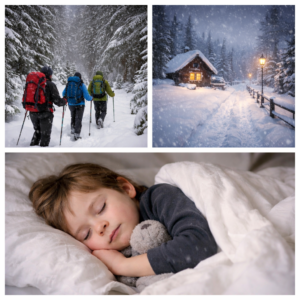
If you dread winter, you’re not alone. It feels endless, cold, and dark and hibernating probably feels like the better option on any given day.
But then again, we do live in Canada so let’s collectively quit complaining and read on because like it or not, winter is here to stay. In this two part series, we’re celebrating all things winter and highlighting essentials to help keep you and your loved ones safe, healthy, and active.
Baby, it’s cold outside
Winter in Ancaster and Hamilton feels like it started months ago with cold temperatures, early snowfalls, reduced daylight, and icy conditions. Were you prepared?
Our bets are that there’s still plenty of winter left so make sure you’re ready. In Canada, winter alerts include precipitation, cold, or poor visibility alerts. Here’s a brief list of what each type of alert includes:
- Precipitation alerts: snowfall, squalls, freezing rain, winter storms
- Cold alerts: Arctic outflow, extreme cold, flash freeze
- Poor visibility alerts: blizzard, blowing snow
The alerts above can exist on their own or in combination with one another.
Tip: Don’t get blindsided – Red Cross Canada has a comprehensive before-during-after checklist to help you prepare for winter storms.
Shorter days can feel depressing
Shorter daylight hours can impact our body by reducing available Vitamin D, essential for regulating sleep cycles, managing mood, and maintaining energy. Some patients may experience fatigue, low energy, and sad or depressed moods so increasing Vitamin D rich foods (such as fatty fish, egg yolks, fortified dairy products) and taking supplements may help. However, always speak to your health care provider before starting any new vitamins or medication.
Tip: Seasonal change can bring on a form of depression known as Seasonal Affective Disorder (SAD) for some individuals. Research suggests that light therapy may help those susceptible to SAD. To learn more, this Harvard Health article introduces light therapy and its potential benefits.
Check on family and friends
Winter can be an isolating time. Be sure to check in on family and friends, especially those that are older or have limited mobility. In fact, research confirms that our relationships are one of the most important factors determining how long we live and our quality of life.
Tip: Learn more about the importance of social connections in this World Health Organization article.
Lifestyle habits that support your winter health
Your habits can be a game-changer. We see the physical effects of individual lifestyle choices regularly. Sometimes it’s pretty but not always.
This winter season, consider small shifts that can make a big impact on how you look, feel, and move:
- Humidify and hydrate. Winter air can be drying. A bowl of water placed on a heater vent and drinking plenty of water can offset the effects.
- Protect your skin. Even though healthy adult skin replaces itself every 28 to 42 days, the environment, our habits, and natural aging can also play a role in skin health. Moisturizing isn’t just for models, it provides a necessary barrier against the elements and helps keep skin hydrated.
- Get enough sleep. Your body and mind depend on it. Having a regular bedtime routine and avoiding screens an hour before sleep time, are simple ways to promote falling and staying asleep. If you wake up with headaches, neck pain, or soreness in other parts of your body, talk to us – it may be your pillow, posture, or sleep position, and we can help determine the cause and identify solutions.
- Keep active. Indoors or outdoors, keep moving. A healthy 24 hours includes a mix of physical activity, sedentary periods, and sleep. Participaction Canada’s 24 hour movement guidelines provide recommendations by age. Need help getting started? We can suggest ideas that integrate easily into your lifestyle, interests, and individual level of health and fitness.
Tip: We are fortunate to live in an area with plenty of outdoor activity options. Read about the benefits of hiking, including links to local trails.
A final word
Winters can be tough but there are many ways to ensure you stay healthy and make the most of the season. Canada is known for cold temperatures, snowy conditions, and beautiful nature so why not take advantage?
If pain, injury, or a health concern is keeping you indoors or preventing you from being active, contact us. Our team provides acute, maintenance, and supportive care options to help you feel, move, and function your best.
For questions about this blog or any other health and wellness concern, get in touch.
Stay updated on health and wellness information by subscribing to our quarterly newsletter.
Information for this blog was sourced from or references the Alliance blog library, Canadian Mental Health Association, Government of Canada, Harvard Health, Canadian Red Cross, Participaction Canada, and the World Health Organization.